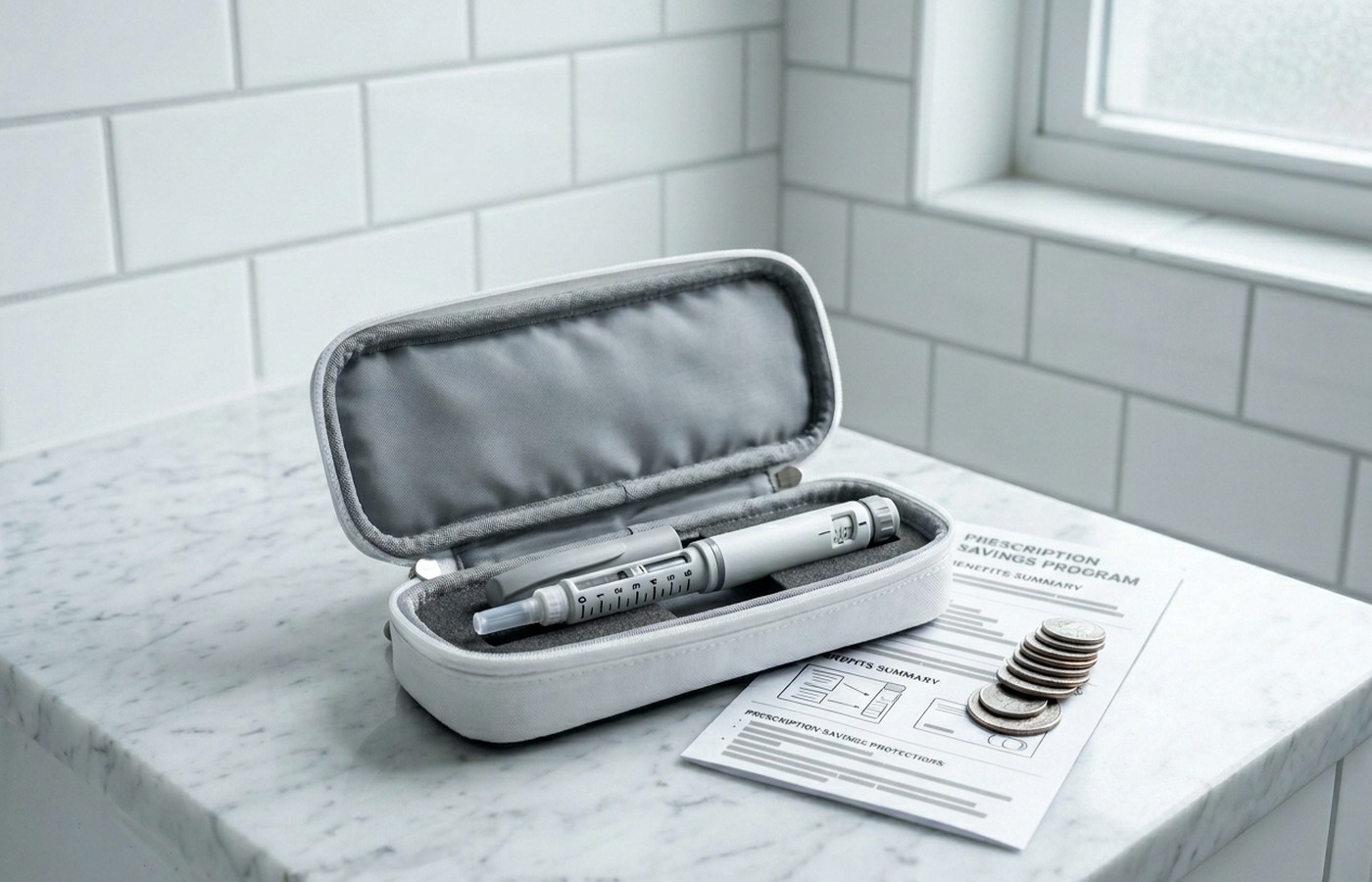
Diabetes is one of the most expensive chronic conditions to manage in the United States — particularly without health insurance. Between insulin, oral medications, test strips, glucose monitors, and regular physician visits, the out-of-pocket costs of diabetes care can quickly become overwhelming. But there are meaningful options to reduce these costs significantly. This guide covers every available resource for affording diabetes medications without insurance in 2026 — from manufacturer patient assistance to community health programs and prescription discount tools.
Use RxDiff's free prescription price comparison tool to find current prices on diabetes medications at pharmacies near you.
Medical disclaimer: RxDiff brand content. This article is for informational purposes only and does not constitute medical advice. Diabetes medications require a prescription and close medical supervision. Never stop, reduce, or change your insulin or diabetes medication without consulting your healthcare provider. Not valid with Medicare or Medicaid. Cannot be used simultaneously with insurance.
Diabetes Medication Costs Without Insurance — Overview
The cost of managing diabetes without insurance depends significantly on what type of diabetes you have, which medications you take, and how your condition is controlled. Type 1 diabetes almost always requires insulin — often one of the most expensive diabetes medications. Type 2 diabetes can often be managed initially with affordable oral medications like metformin, with insulin added if needed over time.
Here is a broad overview of diabetes medication costs without insurance in 2026:
| Medication Type | Examples | Monthly Cost (No Insurance) | Notes |
|---|---|---|---|
| Generic metformin (oral) | Metformin 500mg, 1000mg | $4–$15 | First-line type 2 treatment; lowest cost |
| Other oral diabetes generics | Glipizide, glimepiride | $5–$20 | Widely available generics |
| Human insulin (older types) | NPH, Regular insulin | $25–$50 | Available OTC at some pharmacies |
| Analog insulin (newer types) | Lantus, Humalog, NovoLog | $300–$600+ (list price) | Patient assistance programs critical |
| GLP-1 medications (type 2) | Ozempic, Trulicity | $900–$1,000+ (list price) | Manufacturer savings programs available |
| SGLT2 inhibitors | Jardiance, Farxiga | $500–$600+ (list price) | Limited generic availability |
Prices approximate and vary by pharmacy, dosage, and program. Compare current pricing at RxDiff. Manufacturer assistance programs can dramatically reduce costs for expensive diabetes medications.
Insulin Cost Without Insurance — What to Expect
Insulin cost without insurance is one of the most pressing concerns for people with type 1 diabetes and insulin-dependent type 2 diabetes in the United States. The list price of newer analog insulin products — the types most commonly prescribed today — can be $300–$600 per month or more without insurance or assistance programs.
Older human insulin products (NPH and Regular insulin) are available over-the-counter at some pharmacies — particularly Walmart, which sells ReliOn brand human insulin for approximately $25 per vial without a prescription. While older insulin types are not appropriate for all patients, for some patients with type 2 diabetes they may be an option when costs are otherwise prohibitive. Always consult your healthcare provider before switching insulin types.
The good news: all three major insulin manufacturers have programs that can dramatically reduce insulin costs for qualifying patients — often to $35 per month or less.
Insulin Affordability Programs — Manufacturer Options
Novo Nordisk manufactures Ozempic, Victoza, Levemir, Tresiba, and multiple insulin products. NovoCare offers patient assistance programs for uninsured or underinsured patients. Call 1-833-NOVO-411 or visit NovoCare.com for eligibility and application details.
Eli Lilly's Insulin Value Program caps monthly insulin cost at $35 for eligible patients. Lilly insulin products include Humalog, Basaglar, and Lispro. Visit InsulinAffordability.com or call 1-800-545-5979 for current program details and eligibility.
Sanofi's savings program provides discounts on Lantus, Toujeo, Apidra, and other Sanofi insulin products for qualifying patients. Visit SanofiUS.com or contact your healthcare provider for program details.
Nonprofit organizations like Beyond Type 1 and the American Diabetes Association maintain resource directories connecting people with diabetes to insulin affordability programs, emergency insulin assistance, and community support.
Novo Nordisk Patient Assistance Program
The Novo Nordisk patient assistance program — offered through NovoCare — provides Novo Nordisk insulin products at no cost or significantly reduced cost for qualifying patients who lack insurance coverage or whose insurance does not cover their specific insulin product.
Novo Nordisk insulin products covered by the NovoCare assistance program include Levemir (insulin detemir), Tresiba (insulin degludec), NovoLog (insulin aspart), and other Novo Nordisk insulin products. The program also covers Ozempic and Victoza for qualifying patients.
To apply for the Novo Nordisk patient assistance program, contact NovoCare at 1-833-NOVO-411 or visit NovoCare.com. Your healthcare provider will need to complete a portion of the application. Eligibility is based on income, insurance status, and other criteria that are updated periodically.
Eli Lilly Insulin — $35 Monthly Cap Program
Affordable Oral Diabetes Medications
For patients with type 2 diabetes who can be managed with oral medications, the cost outlook is considerably better than for insulin-dependent patients. Several first-line oral diabetes medications are available as inexpensive generics:
Metformin: The most affordable and most widely prescribed first-line medication for type 2 diabetes. Generic metformin typically costs $4–$15 per month without insurance and is available on Walmart's $4 generic list. Use RxDiff's metformin price comparison tool to find the lowest price at pharmacies near you.
Glipizide and glimepiride: Generic sulfonylurea medications used to stimulate insulin production in type 2 diabetes. Both are widely available as affordable generics, typically $5–$15 per month without insurance.
Newer oral diabetes medications (Jardiance, Farxiga): These newer drug classes (SGLT2 inhibitors) have limited generic availability and high list prices. Manufacturer savings cards may help eligible patients with commercial insurance pay significantly less. For uninsured patients, manufacturer patient assistance programs may provide these medications at reduced or no cost.
Health Insurance Options for Diabetes Care
If you are currently uninsured and living with diabetes, exploring health insurance options is one of the most important steps you can take. Health insurance coverage for diabetes can dramatically reduce the total cost of managing your condition — including insulin, oral medications, supplies, doctor visits, and lab work.
Health Insurance Marketplace: If you do not have access to employer coverage, check HealthCare.gov for individual health insurance plans in your area. Subsidies based on income can significantly reduce premiums for many people. A diagnosis like type 2 diabetes cannot be used to deny coverage or charge higher premiums under the Affordable Care Act.
Medicaid: If your income qualifies, Medicaid provides comprehensive health insurance coverage including diabetes medications, insulin, supplies, and physician visits — typically at very low or no cost.
Medicaid and Government Health Insurance
Medicaid is a federal-state health insurance program for people with limited income and resources. Medicaid covers diabetes medications including insulin, metformin, and other diabetes drugs for eligible enrollees — typically with very low or no copay.
Eligibility for Medicaid varies by state. In states that have expanded Medicaid under the Affordable Care Act, adults with income up to 138% of the federal poverty level qualify. In non-expansion states, eligibility criteria are more restrictive.
To find out if you qualify for Medicaid, visit your state's Medicaid office or apply at HealthCare.gov. Community health centers can also help you determine Medicaid eligibility and apply. Getting Medicaid coverage may be the single most impactful step for an uninsured person with diabetes who qualifies.
Note: Prescription discount cards like RxDiff cannot be used with Medicaid at the pharmacy counter. If you are enrolled in Medicaid, use your Medicaid coverage for prescriptions.
Community Health Centers for Diabetes Care
Federally qualified health centers (FQHCs) provide comprehensive primary care including diabetes management on a sliding-fee scale based on income. For uninsured patients with diabetes, community health centers offer:
Medical visits with diabetes-experienced providers at reduced cost; diabetes management education and support; lab work for blood sugar monitoring (A1C tests, kidney function, etc.) at reduced cost; prescriptions for diabetes medications including connections to patient assistance programs; and help navigating insurance options including Medicaid enrollment.
Find community health centers near you at HRSA.gov's Find a Health Center tool. Services are available regardless of insurance status, and no patient is turned away due to inability to pay.
Help With Diabetes Supplies and Test Strips
Beyond medications, the cost of diabetes supplies — test strips, lancets, insulin pens, syringes, and continuous glucose monitors — can be substantial without insurance. Several programs specifically address this need:
Manufacturer programs: Many glucose monitor manufacturers offer free meters and discounted test strips. Contact the manufacturer of your monitor directly for current programs.
American Diabetes Association: The American Diabetes Association (diabetes.org) maintains a resource directory for financial assistance with diabetes medications and supplies, including connections to state and local programs.
NeedyMeds: NeedyMeds.org maintains an updated database of patient assistance programs for insulin, oral diabetes medications, and diabetes supplies from both manufacturers and nonprofit organizations.
Community health centers: Many FQHCs maintain a supply of donated diabetes supplies including test strips and lancets for patients who cannot afford them.
FAQ — Affording Diabetes Medication Without Insurance
Options to afford insulin without insurance include manufacturer patient assistance programs (Novo Nordisk NovoCare, Eli Lilly Insulin Value Program, Sanofi), the $35 monthly insulin cap through Eli Lilly for eligible patients, community health centers with sliding-scale fees, Medicaid if you qualify, and over-the-counter human insulin at Walmart for some patients. Use RxDiff to compare current insulin pricing options at pharmacies near you.
The cheapest options for diabetes medication without insurance include: generic metformin at $4/month at Walmart (first-line type 2 treatment), manufacturer patient assistance programs for insulin and newer diabetes drugs, community health centers for both the prescription and medication at reduced cost, and prescription discount cards for non-insulin diabetes medications. Use RxDiff to compare prices before filling any diabetes prescription.
Yes — Medicaid covers diabetes medications including insulin, metformin, and other oral diabetes drugs for eligible enrollees, typically with very low or no copay. If your income is below your state's Medicaid threshold, applying for Medicaid may be the most impactful step you can take to afford diabetes medications and care. Apply at HealthCare.gov or through your state's Medicaid office.
Yes — all three major insulin manufacturers offer patient assistance: Novo Nordisk (NovoCare, 1-833-NOVO-411), Eli Lilly (Lilly Insulin Value Program, $35/month cap for eligible patients), and Sanofi (Insulins Valyou Savings Program). Eligibility requirements vary by program. Contact each manufacturer directly or visit their websites for current program details and applications.
Compare Diabetes Medication Prices at Pharmacies Near You
Use RxDiff's free comparison tool to find current prices on metformin, insulin, and other diabetes medications at 70,000+ pharmacies — free.
Compare Diabetes Medication PricesNot valid with Medicare or Medicaid. Cannot be used simultaneously with insurance. Prices vary by pharmacy, drug, and dosage.