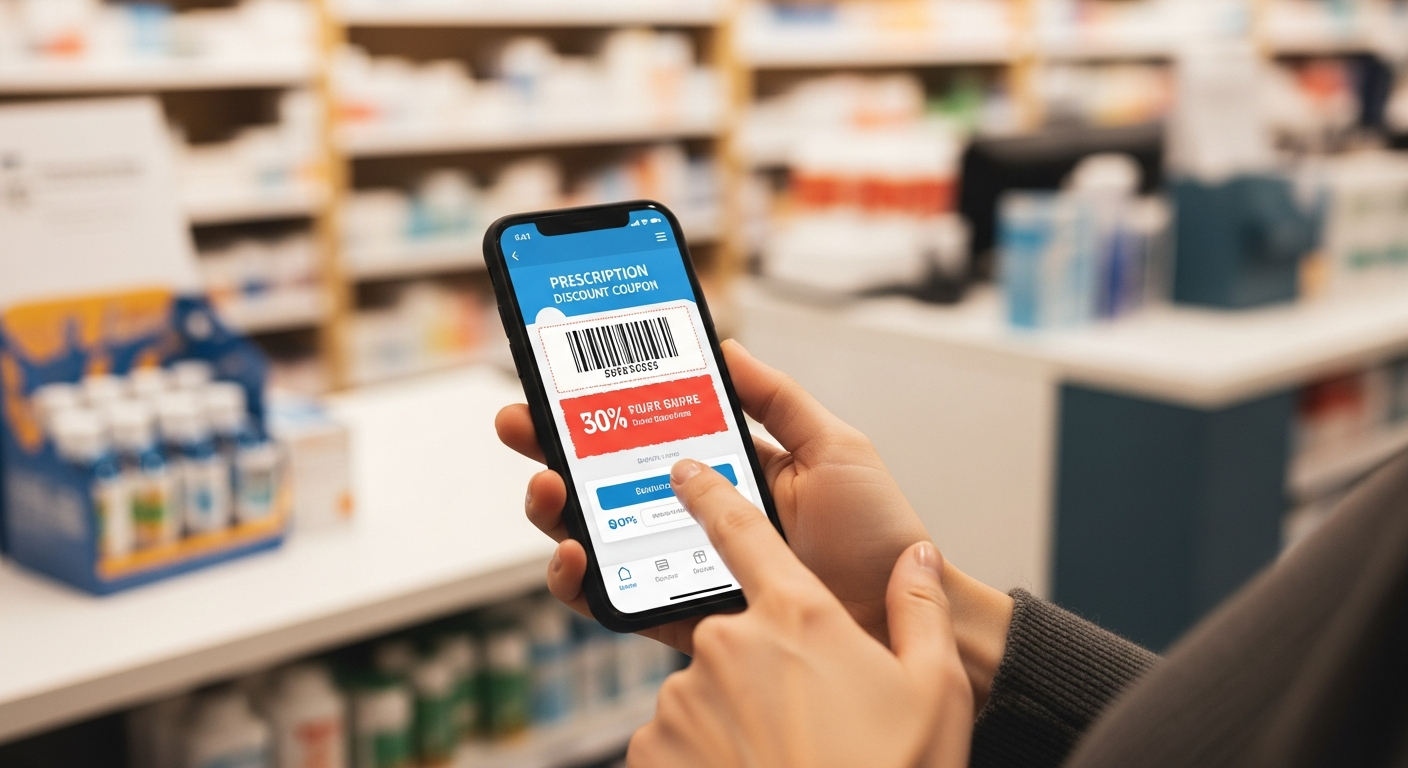
No prescription discount card is always the cheapest. GoodRx alternatives such as SingleCare, BuzzRx, and WellRx may show different prices and pharmacy availability for the same prescription. Compare the exact medication, strength, quantity, and location, then confirm the offer with the pharmacy.
Prescription discount cards are not insurance. Their prices and terms can vary, so compare the available option with your insurance copay or cash price before filling.
| What to compare | GoodRx | Other discount cards |
|---|---|---|
| Price | Check the exact prescription and location. | Check the same prescription and location. |
| Pharmacy participation | Confirm the specific pharmacy accepts the offer. | Confirm the specific pharmacy accepts the offer. |
| Terms | Review the coupon terms before filling. | Review each program's terms before filling. |
Why Look for a GoodRx Alternative?
Prescription discount programs use negotiated arrangements and participating pharmacy networks. The offer, price, and availability may differ by program, medication, and location.
Check the terms of each option before using it. A comparison can help identify the available price for a specific fill, but it cannot guarantee that every program or pharmacy is included.
Best GoodRx Alternatives in 2026
SingleCare
Check its current offer for your medication and pharmacy, and compare the final price with other available options.
Compare SingleCare vs GoodRx →BuzzRx
Check whether your pharmacy participates and review current coupon terms for the exact prescription.
See BuzzRx prices →WellRx
Review current price and pharmacy availability for your prescription through its official service.
Compare WellRx app →RxDiff
Use RxDiff to compare available prescription discount prices by medication and location. Verify the pharmacy and offer terms before filling.
Search RxDiff prices →SingleCare
SingleCare is one prescription discount option to compare with GoodRx. Prices and pharmacy availability depend on the specific prescription and location.
Compare options for common generics like atorvastatin, metformin, lisinopril, omeprazole, and gabapentin; no single program is guaranteed to have the lowest price.
Check the current offer and terms before presenting a coupon. See the full SingleCare vs GoodRx comparison.
BuzzRx
Check BuzzRx for your exact prescription and location, and confirm that the pharmacy participates before relying on a displayed coupon.
Offer availability and requirements can vary. Review the program's current terms and ask the pharmacist to confirm the final price.
Check our BuzzRx comparison page to see current prices on your medication.
WellRx (ScriptSave WellRx)
WellRx is another prescription discount option to compare. Check its current offer and participating pharmacy for your exact medication and location.
See RxDiff's GoodRx comparison for available prices; offers and coverage can change.
RxDiff Free Discount Card
RxDiff can compare available prescription discount prices by medication and location. Availability may vary; confirm the offer and final price with the pharmacy before filling.
GoodRx vs Alternatives: Quick Comparison
Is GoodRx Gold Worth Paying For?
GoodRx Gold is a paid prescription discount membership. Its current fee, included benefits, participating pharmacies, and offer terms should be checked directly with GoodRx.
Whether a paid membership is worthwhile depends on your prescriptions, pharmacy, and use of the benefits. Compare the total costs and available prices before enrolling.
Can You Use a Discount Card Instead of Insurance?
A discount offer may be worth checking when comparing what you would pay with insurance, but the result depends on the prescription, plan, and pharmacy.
Compare the exact fill. Ask the pharmacist to check the insurance copay and discount price for the same medication, strength, and quantity.
Check plan coverage. If the medication is not covered, ask the plan or pharmacist about the available options.
Consider benefit tracking. A discount-card payment typically does not count toward insurance deductibles or out-of-pocket limits; check your plan for details.
How Much Can You Save with a GoodRx Alternative?
Actual medication savings vary significantly based on:
The prescription details. Prices can vary by medication, strength, and quantity; offers may not apply to every product.
The pharmacy. Price and participation can differ by pharmacy and location. Verify the current offer for the specific location.
The payment option. Compare the discount offer with the insurance copay and any applicable terms before filling.
How to Find the Best Prescription Discount Price
Search the exact medication. Check current discount prices by medication, strength, quantity, and location.
Check nearby pharmacies. Confirm that the pharmacy participates and verify its current offer.
Ask your pharmacist. Confirm the final amount and how the prescription will be processed before paying.
Ask about quantity options. Discuss any changes in supply or dosage with your prescriber, and compare prices only for the quantity prescribed.
Compare Prescription Discount Prices in Seconds
Search to compare available prescription discount prices by medication and location. Prices and pharmacy participation can vary.
Search Drug Prices Free →Frequently Asked Questions
No. Prices and participating pharmacies can differ by medication and location. Compare the exact prescription before filling.
Check the price and participating pharmacy for the exact medication, strength, and quantity. Review the offer terms and ask the pharmacy to confirm the final amount.
A discount card and insurance are generally processed as separate payment options for a fill. Ask the pharmacist to compare them and explain which option will be processed.