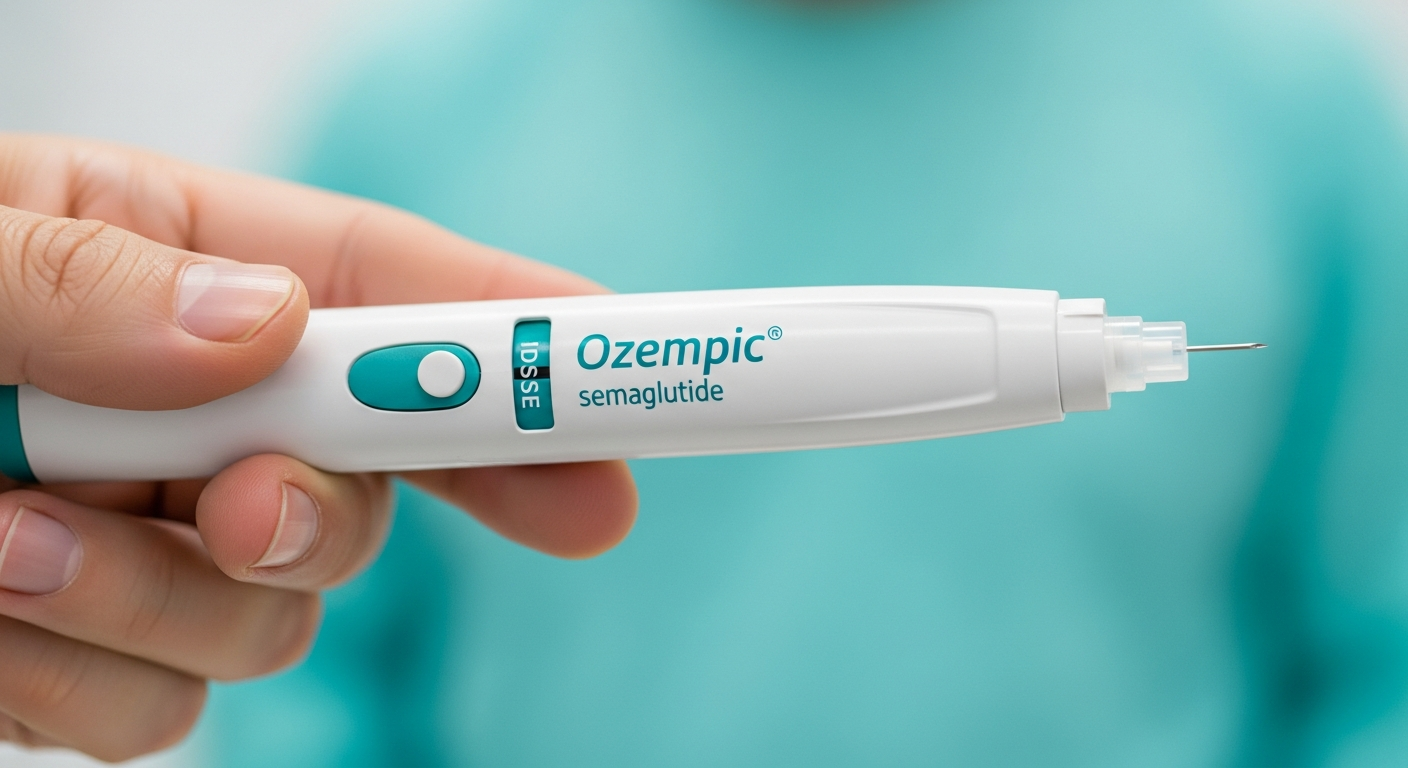
Ozempic's list price sits above $900 per month without insurance — one of the highest retail prices of any commonly prescribed medication in the U.S. For people managing type 2 diabetes who don't have insurance or whose insurance doesn't cover The medication, that cost is a real barrier.

The good news: there are legitimate ways to lower the cost of Ozempic without insurance. The Novo Nordisk patient assistance program, the It savings card, prescription discount programs, and cheaper GLP-1 alternatives can all reduce what you pay — sometimes dramatically.

Here's exactly what's available and how each option works.

How Much Does Ozempic Cost Without Insurance?

Ozempic costs approximately $935–$970 per month without insurance for a one-month supply. This is the retail list price set by Novo Nordisk before any savings card, coupon, or assistance program is applied.
List Price / Month
~$950
Without insurance, no savings card
With Savings Card
$25
Eligible commercially insured patients
Patient Assistance
$0
Qualifying uninsured patients

The cost of Ozempic without insurance can vary slightly by pharmacy and dosage. A 90-day supply of The drug may offer a marginally lower per-dose cost at some pharmacies, but the monthly cost still runs close to the list price without an assistance program or savings card.

Prescription discount cards like those available through RxDiff typically reduce Ozempic's out-of-pocket cost somewhat, but savings on brand-name GLP-1 medications are smaller than on generics. The most significant savings come from the programs below.

Ways to Save on Ozempic Without Insurance

The most effective ways to save on Ozempic without insurance are the Novo Nordisk patient assistance program (NovaCare), the Ozempic savings card for commercially insured patients, and lower-cost GLP-1 alternatives prescribed through telehealth.

Novo Nordisk Patient Assistance Program

The Novo Nordisk patient assistance program can provide The injection at no cost for uninsured patients who meet income eligibility requirements. It's the most direct way to get This GLP-1 if you don't have insurance coverage.

Novo Nordisk, the manufacturer of The medication, operates a patient assistance program that provides free or low-cost The injection to qualifying patients. Eligibility is based on income and coverage status — specifically, the program targets people who are uninsured or underinsured and cannot afford the cost of their prescription.

To apply, contact Novo Nordisk directly through their official patient assistance portal or ask your healthcare provider to initiate the application. Your prescriber typically needs to be involved in the process, so bring it up at your next appointment.

Important: Patient assistance programs require proof of income and are subject to eligibility reviews. Processing can take several weeks. If you need It sooner, ask your healthcare provider about a bridge supply of samples while your application is processed.

The Ozempic Savings Card

The This drug the card from Novo Nordisk allows eligible patients with commercial your plan to pay as little as $25 per month. Patients without any insurance coverage typically do not qualify for the $25 rate but should verify eligibility directly with The manufacturer.

Ozempic Savings Card — Eligibility Checklist

You may be eligible for the Ozempic savings card if you meet these criteria:

  • Have a valid It prescription from a licensed healthcare provider
  • Have commercial health coverage (private a health plan, employer plan)
  • Are NOT covered by Medicare, Medicaid, or any government-funded insurance
  • Are a U.S. resident
  • Meet any additional income or coverage criteria set by The manufacturer

Subject to a maximum savings amount per year. Terms and conditions apply — verify current eligibility at Novo Nordisk's program's official website.

If you have commercial coverage that doesn't cover The injection, or if your your plan covers it but with a high copay, the this savings offer can still reduce your out-of-pocket cost significantly. The card is used at the pharmacy counter alongside your insurance — you pay the discounted patient cost, and The drugmaker covers the difference up to the maximum savings limit.

Does Insurance Cover Ozempic?

Many commercial health coverage plans cover The drug when prescribed for type 2 diabetes. Coverage for weight loss is less consistent — The injection is not FDA-approved for weight loss, so insurers frequently require prior authorization or deny coverage for that use.

Whether a health plan covers This GLP-1 medication medication depends heavily on your specific insurance plan and the diagnosis code your healthcare provider uses. Here's how coverage typically breaks down:

For type 2 diabetes: Most commercial coverage plans include This GLP-1 medication medication drug on their formulary, though often at a higher tier with a significant copay. Prior authorization is commonly required — your prescriber will need to document that This this drug class medication is medically necessary for your diabetes management.

For weight loss: The medication is not FDA-approved for weight management — that's Wegovy, which contains the same active ingredient semaglutide at a higher dose. When prescribed off-label for weight loss, your plan coverage for The medication is frequently denied. Check your plan's formulary and contact your insurance provider directly to confirm your specific coverage and any prior authorization requirements.

Prior authorization: Even when The medication is covered, your health coverage plan may require prior authorization before they'll pay for it. Your healthcare provider submits this on your behalf. If prior authorization is denied, you have the right to appeal — ask your provider to help document medical necessity.

Does Medicare Cover Ozempic?

Medicare Part D plans may cover It when prescribed for type 2 diabetes. Coverage varies by plan, and Medicare does not cover The drug for weight loss alone. The Extra Help (Low-Income Subsidy) program can significantly reduce costs for eligible Medicare beneficiaries.

If you have Medicare and your healthcare provider prescribes Ozempic for type 2 diabetes, your Part D drug plan may cover it — though you'll need to check your specific plan's formulary and cost-sharing structure. Medicare Part D coverage for It varies significantly from plan to plan.

For Medicare patients who struggle with prescription costs, the Extra Help program (also called the Low-Income Subsidy) can reduce premiums, deductibles, and copays for Part D coverage. Contact the Social Security Administration or your State Health A health plan Assistance Program (SHIP) counselor to check eligibility.

Cheaper Alternatives to Ozempic

If The injection is unaffordable without insurance, cheaper alternatives include Rybelsus (oral semaglutide), other This drug class receptor agonists like Trulicity, and compounded the active ingredient available through licensed telehealth providers.
Alternative Active Ingredient Typical Cost* Notes
This This injectable drug Semaglutide (injectable) ~$950/mo Brand name, FDA-approved for T2D
Wegovy The compound (injectable, higher dose) ~$1,300/mo FDA-approved for weight loss
Rybelsus Semaglutide (oral tablet) ~$900/mo Same drug, oral form; savings card available
Trulicity Dulaglutide (injectable) ~$850/mo Weekly GLP-1 medication injection; different molecule
Compounded The active ingredient Semaglutide (compounded) $100–$350/mo Through licensed telehealth; not FDA-approved brand

*Approximate cash prices without coverage. Actual costs vary by pharmacy, dosage, and savings programs.

Talk to your healthcare provider about whether an alternative The drug class medication is appropriate for your situation. The right choice depends on your diagnosis, health history, and which medications your your plan is more likely to cover.

Get a The drug class Prescription Through Telehealth

Telehealth platforms can prescribe The medication class medications — including lower-cost alternatives to It — without an in-person visit. For patients without insurance, this is often the most affordable path to a legitimate GLP-1 prescription.

One of the most practical options for people without health coverage is using a licensed telehealth provider to get a This injectable medication prescription. Telehealth visits are typically lower cost than in-person appointments, and many telehealth platforms partner with compounding pharmacies that offer the compound at significantly lower prices than brand-name The medication.

Telehealth Partner

ShedRx — GLP-1 medication Weight Loss Prescriptions Online

ShedRx connects patients with licensed healthcare providers who can prescribe This drug class medications including semaglutide. No a health plan required — get started with an online visit and access lower-cost prescription options through their partner pharmacy network.

Visit ShedRx →

Advertising disclosure: RxDiff may earn a commission if you click this link and make a purchase. This does not affect the price you pay.

Important: Compounded the active ingredient is not the same as FDA-approved It or Wegovy. While it contains the same active ingredient, compounded medications are not reviewed or approved by the FDA. Discuss the risks and benefits with a licensed healthcare provider before starting any This drug class medication.

Compare Ozempic Prices Near You

Search RxDiff to see the lowest The injection price across pharmacies in your area — free, instant, no account needed.

Search The injection Prices →

Doctors prescribe Ozempic for type 2 diabetes when diet and exercise alone aren't enough to control blood sugar. Your prescriber will evaluate whether Ozempic is right for your situation before writing a prescription.

Ozempic costs vary depending on your pharmacy, insurance status, and dosage. The list price reflects the full retail cost before any the card or insurance adjustment is applied.

Doctors prescribe Ozempic to manage blood sugar in patients with type 2 diabetes. A healthcare provider must prescribe Ozempic before you can access any savings program — it is not available over the counter.

If your doctor has already prescribed Ozempic, you qualify for the Novo Nordisk savings card immediately. Physicians prescribe Ozempic alongside diet and exercise changes for best results. Ask your prescriber whether your plan is likely to cover Ozempic before your first fill.

Frequently Asked Questions

This The medication class drug's list price is approximately $935–$970 per month for a 30-day supply without coverage. This is the retail cash price before any the offer, coupon, or patient assistance program is applied. Prices may vary slightly by pharmacy and dosage.

The manufacturer's Ozempic discount allows eligible patients with commercial insurance to pay as little as $25 per month. Uninsured patients typically do not qualify for the $25 rate, but may qualify for the Novo Nordisk patient assistance program, which can provide The drug free or at very low cost based on income eligibility.

Many commercial a health plan plans cover The drug when prescribed for type 2 diabetes, though prior authorization is commonly required. Coverage for weight loss is less consistent — The injection is not FDA-approved for weight management, so insurers frequently deny coverage for that use. Check with your insurance provider directly to confirm your coverage.

Medicare Part D plans may cover The injection when prescribed for type 2 diabetes, though coverage and copays vary by plan. Medicare does not cover This This injectable medication medication for weight loss alone. The Extra Help (Low-Income Subsidy) program can reduce out-of-pocket costs for eligible Medicare beneficiaries.

Cheaper alternatives to It include Rybelsus (oral the active ingredient from the same manufacturer), compounded the active ingredient through licensed telehealth providers, and other GLP-1 receptor agonists such as Trulicity (dulaglutide). Talk to your your doctor about which alternative is appropriate for your health situation and diagnosis.

There is no FDA-approved generic version of It as of 2026 — semaglutide remains under patent protection. Compounded the compound is available through some licensed pharmacies and telehealth providers, but it is not equivalent to FDA-approved The medication and comes with different regulatory considerations. Discuss the differences with your healthcare provider.