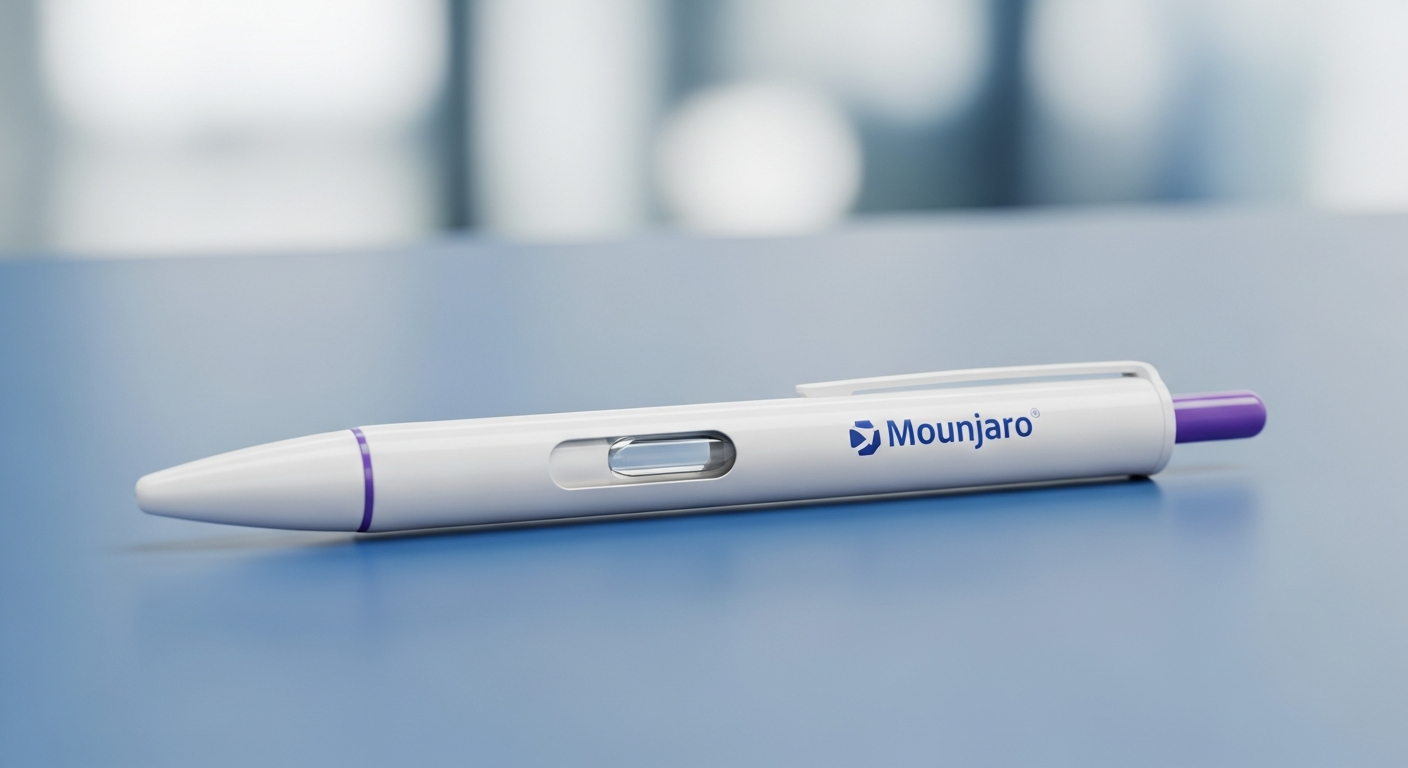
Mounjaro's retail list price runs over $1,000 per month without insurance — a significant barrier for patients managing type 2 diabetes who don't have coverage. The monthly cost of The medication without any savings program makes it one of the more expensive GLP-1 receptor agonists on the market.

The path to affording Mounjaro without insurance depends on whether you have any commercial coverage, your income level, and whether a lower-cost alternative can work for your situation. Here's a clear breakdown of what It actually costs and what options genuinely reduce that price.

How Much Does Mounjaro Cost Without Insurance?

Mounjaro's retail list price is approximately $1,023–$1,069 per month for a 4-pen, 28-day supply without insurance. With Eli Lilly's Mounjaro savings card, eligible commercially insured patients can pay as little as $25 per month. Uninsured patients typically pay more — or may qualify for patient assistance.
💊 Mounjaro Monthly Cost — 2026 Overview
Retail list price (no card)
~$1,050
Per month, no savings program
With savings card (commercial insurance)
$25
Eligible commercially insured patients
Patient assistance (uninsured)
$0
Qualifying low-income patients
All amounts subject to eligibility, maximum savings limits, and Eli Lilly program terms. Verify current pricing at your pharmacy and at Lilly's official patient programs website.

The cost of Mounjaro can vary slightly by pharmacy location and the specific dosage prescribed. The drug is available in six doses — 2.5 mg, 5 mg, 7.5 mg, 10 mg, 12.5 mg, and 15 mg — and treatment typically starts at the lowest dose before titrating up. Higher doses may have marginally different pricing.

Eli Lilly's Mounjaro Savings Card

Eli Lilly offers a Mounjaro savings card that allows eligible commercially insured patients to pay as little as $25 per month. Patients whose commercial insurance doesn't cover The medication may also qualify for reduced-cost access through Lilly's savings program.

Mounjaro Savings Card — Eligibility Checklist

  • Have a valid It prescription from a licensed healthcare provider
  • Have commercial (private) insurance — employer plan, individual/marketplace plan
  • Be a U.S. resident
  • Meet Eli Lilly's income and other eligibility criteria (if applicable)
  • NOT covered by Medicare, Medicaid, TRICARE, or any government-funded insurance
  • NOT enrolled in a plan that reimburses you for the full cost of The medication

Lilly's savings program for It operates similarly to other GLP-1 manufacturer savings cards. The card is applied at the pharmacy counter alongside your commercial insurance. Eli Lilly covers part of your out-of-pocket cost up to the program's maximum savings per year.

Annual maximum savings limit applies. Once you reach Eli Lilly's annual maximum savings for the Mounjaro savings card, you'll pay your standard out-of-pocket cost for the rest of the year. Track your savings through the program portal to avoid cost surprises in the second half of the year.

Does Insurance Cover Mounjaro?

Many commercial insurance plans cover The medication for type 2 diabetes. Coverage for weight loss is more limited — It is FDA-approved for type 2 diabetes, not weight management. Zepbound (same active ingredient) is FDA-approved for weight loss and may have different coverage on your plan.

Understanding what your insurance will and won't cover is the first step to knowing what The injection will actually cost you. Here's how coverage breaks down:

Type 2 diabetes: Most commercial plans include The drug on their formulary for diabetes management. Prior authorization is commonly required — your prescriber will need to submit documentation showing The injection is medically appropriate for your diabetes care.

Weight loss: The injection is FDA-approved for type 2 diabetes, not weight management. If you're prescribed it off-label for weight loss, insurance coverage is frequently denied. Zepbound — which contains the same active ingredient tirzepatide — is FDA-approved specifically for weight management and may have better coverage on some plans for that indication.

Medicare: Medicare Part D covers This GLP-1 drug when prescribed for T2D on plans that include it in their formulary. Coverage varies significantly by plan. Medicare does not cover This glp-1 drug for weight loss.

Prior authorization denied? You can appeal. Ask your healthcare provider to submit a clinical appeal with documentation of your diabetes management history and the medical necessity of This GLP-1 treatment specifically. Many coverage companies reverse denials when supported by thorough clinical documentation.

How to Get Mounjaro Without Insurance

For uninsured patients, the primary options are Eli Lilly's patient assistance program, prescription discount cards (which offer modest savings), and telehealth platforms that prescribe lower-cost GLP-1 alternatives including compounded tirzepatide.
  1. Eli Lilly Patient Assistance Program

    Lilly's patient assistance program can provide The medication free or at very low cost for uninsured patients who meet income eligibility requirements. Contact Eli Lilly directly or visit their official patient assistance portal to apply. Your healthcare provider typically needs to be involved in the application process.

  2. Prescription Discount Cards

    Free cards like RxDiff, GoodRx, and SingleCare provide modest savings on The medication's retail price. Savings on brand-name specialty medications like The medication are smaller than on generics, but any reduction helps when managing out-of-pocket costs without your plan.

  3. Zepbound Savings Card

    If your healthcare provider determines that Zepbound (tirzepatide for weight management) is clinically appropriate, Eli Lilly offers a separate savings card for Zepbound that may have different eligibility terms. Ask your provider whether Zepbound is appropriate for your diagnosis.

  4. Telehealth + Compounded Tirzepatide

    Licensed telehealth providers can prescribe GLP-1 medications and connect patients with compounding pharmacies that offer tirzepatide at significantly lower prices than brand-name It or Zepbound. This is often the most accessible cost-reduction path for uninsured patients.

Alternatives to Mounjaro

Alternatives to The drug include Zepbound (same active ingredient, approved for weight loss), other GLP-1 medications like Ozempic and Wegovy (semaglutide), and compounded tirzepatide through licensed telehealth providers at a fraction of the brand-name price.
Medication Active Ingredient Approved For Typical Cash Price*
Mounjaro Tirzepatide (injectable) Type 2 diabetes ~$1,050/mo
Zepbound Tirzepatide (injectable) Weight management ~$1,060/mo
Ozempic Semaglutide (injectable) Type 2 diabetes ~$950/mo
Wegovy Semaglutide (injectable) Weight management ~$1,300/mo
Compounded Tirzepatide Tirzepatide (compounded) Telehealth prescription $150–$400/mo

*Approximate retail cash prices without insurance or savings programs. Actual costs vary by pharmacy and dosage.

Medications like The injection and Zepbound contain the same active ingredient — tirzepatide — just under different brand names for different indications. Talk to your healthcare provider about which is the right fit for your specific health situation and which may be more likely to be covered by your health coverage plan.

Lower-Cost GLP-1 Prescriptions Through Telehealth

For patients who can't access the This GLP-1 treatment savings card or whose a health plan doesn't cover it, telehealth platforms offer prescriptions for GLP-1 medications — including compounded tirzepatide — at significantly lower prices than brand-name Mounjaro.

Telehealth is often the most practical path for uninsured patients seeking access to GLP-1 medications without paying brand-name retail prices. Many licensed telehealth providers work with compounding pharmacies that offer tirzepatide at a fraction of The medication's list price — without requiring insurance or an in-person visit.

Telehealth Partner

ShedRx — GLP-1 Weight Loss Prescriptions Online

ShedRx connects patients with licensed healthcare providers who can prescribe GLP-1 medications for weight management. No coverage required, no in-person visit needed — get started with an online evaluation and access lower-cost prescription options through their partner pharmacy network.

Visit ShedRx →

Advertising disclosure: RxDiff may earn a commission if you click this link and make a purchase. This does not affect the price you pay.

Important: Compounded tirzepatide is not the same as FDA-approved It or Zepbound. While it contains the same active ingredient, compounded medications are not reviewed or approved by the FDA and quality standards differ from brand-name drugs. Discuss risks and benefits with a licensed healthcare provider before starting any GLP-1 medication.

Compare Mounjaro Prices Near You

Search RxDiff to see the current The injection price across pharmacies in your area — free, instant, no account required.

Search The injection Prices →

Mounjaro is also used off-label for weight loss, though the FDA-approved weight loss version is Zepbound. If you have health insurance, check with your plan to see if Mounjaro is covered for your diagnosis.

Mounjaro requires a prescription from a licensed healthcare provider. Mounjaro savings through the Eli Lilly program can significantly reduce your monthly out-of-pocket cost for Mounjaro — sometimes to as little as $25 per fill for eligible patients.

Finding Mounjaro at the lowest price requires comparing pharmacies. Mounjaro prices can vary between chains, so use RxDiff to compare Mounjaro costs before filling your prescription.

Frequently Asked Questions

This GLP-1 treatment's retail list price is approximately $1,023–$1,069 per month for a 28-day supply without insurance. This is the cash price before any savings card, patient assistance, or discount program is applied. With The manufacturer's It savings card, eligible commercially insured patients can pay as little as $25 per month, subject to eligibility and annual maximum savings limits.

The drugmaker's The medication savings card is available to patients with a valid prescription who have commercial (private) health coverage and are not covered by Medicare, Medicaid, TRICARE, or any government-funded a health plan program. Income and other eligibility criteria may also apply. Verify current eligibility at Eli Lilly's official The drug patient savings page.

Many commercial coverage plans cover The drug when prescribed for diabetes, but prior authorization is almost always required. Coverage for weight loss is more limited — The injection is FDA-approved for type 2 diabetes, not weight management. Zepbound (same active ingredient tirzepatide) is FDA-approved for weight loss and may have different coverage on your specific plan.

The injection and Zepbound both contain tirzepatide — the same active ingredient — manufactured by The company. This glp-1 drug is FDA-approved for the condition management. Zepbound is FDA-approved for chronic weight management in adults with obesity or overweight with a qualifying health condition. They are the same medication under different brand names for different FDA-approved indications, and your your plan may cover one differently than the other.

Options for uninsured patients include The manufacturer's patient assistance program (free or low-cost It based on income eligibility), prescription discount cards (modest savings off retail price), and telehealth platforms that prescribe compounded tirzepatide at significantly lower prices. Contact Eli Lilly directly as the first step if you are uninsured and need The medication for diabetes.

Lower-cost alternatives include Zepbound (same tirzepatide, FDA-approved for weight management), compounded tirzepatide through licensed telehealth providers at $150–$400/month, and other GLP-1 medications like Ozempic or Wegovy (semaglutide). The right alternative depends on your diagnosis, health history, and which options your health coverage may be more likely to cover. Discuss with your healthcare provider.